
How to Choose the Right Sauna Heater: A Complete Buyer's Guide
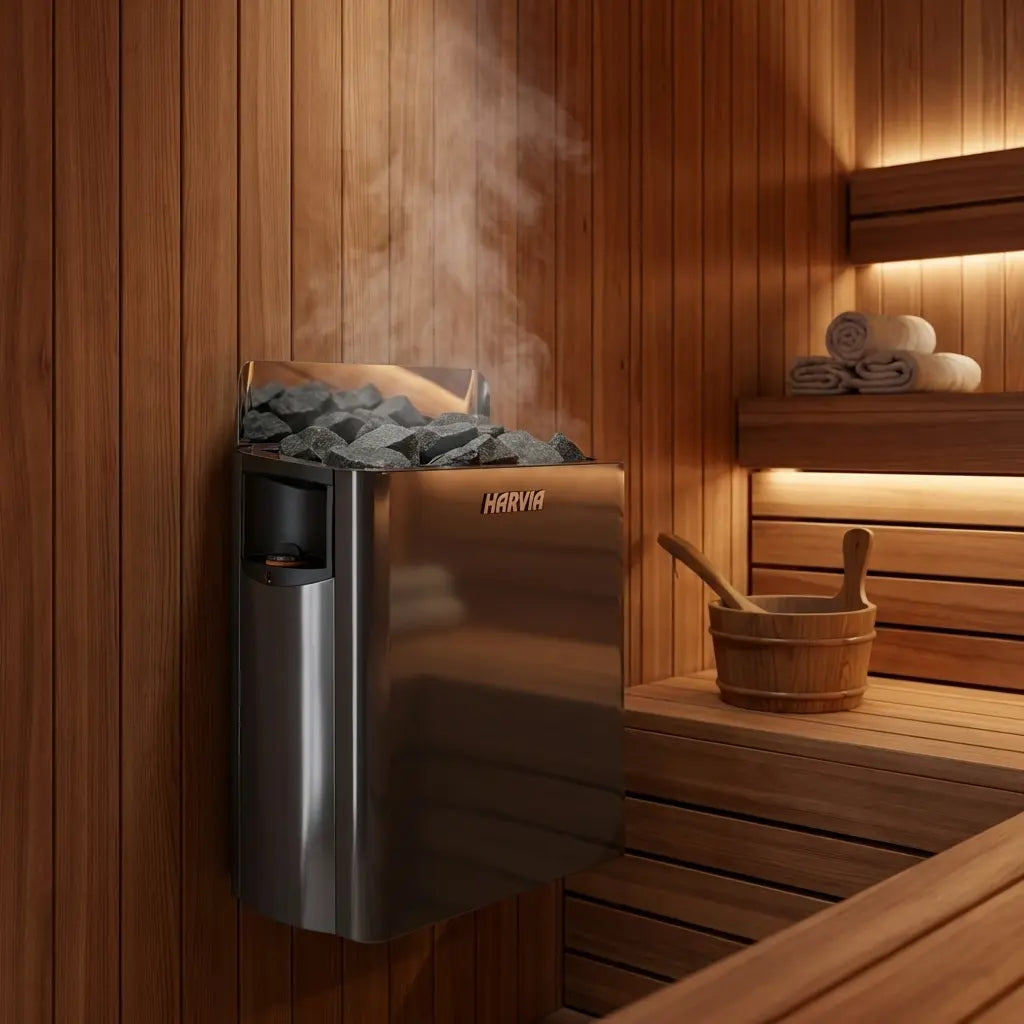
The sauna heater is the heart of your sauna experience. It determines how quickly your sauna reaches temperature, how evenly heat is distributed, and whether you can enjoy the traditional ritual of throwing water on the stones. Choosing the right one makes all the difference — here's everything you need to know.
The Two Main Types of Sauna Heaters
Electric Sauna Heaters
Electric heaters are the most popular choice for home saunas. They're easy to install, simple to control (many include digital timers and thermostats), and don't require a chimney or ventilation for combustion. They heat up quickly — typically reaching temperature in 30–45 minutes — and are available in a wide range of sizes to suit rooms from small personal saunas to large family installations. The EOS Mythos S35 Freestanding Designer Sauna Heater is a great example of a premium electric model with a striking design and powerful output.
Best for: Indoor home saunas, apartments, and anyone who wants convenience and precise temperature control.
Wood-Burning Sauna Heaters
Wood-burning heaters deliver the most authentic, traditional sauna experience. They produce a softer, more enveloping heat and create a unique ambiance that electric heaters can't replicate. However, they require proper chimney installation, a supply of dry firewood, and more hands-on management during use. The Harvia Legend 150 Wood Sauna Heater Package is a classic choice for outdoor and cabin saunas.
Best for: Outdoor saunas, cabins, and those who prioritize the traditional Finnish sauna experience.
Key Factors to Consider
1. Room Size (kW Output)
This is the most critical factor. Heater output is measured in kilowatts (kW), and you need to match it to your sauna's cubic footage. As a general rule:
- 1 kW per 45 cubic feet of sauna space for well-insulated rooms
- Add 20–25% capacity for rooms with exterior walls, large windows, or concrete/tile surfaces that absorb heat
- Undersizing your heater means it will struggle to reach temperature; oversizing wastes energy and can overheat the room
Always calculate your sauna's volume (length × width × height) before selecting a heater.
2. Stone Capacity
Sauna stones store and radiate heat, and they're essential for producing löyly — the steam created when water is poured over them. Heaters with larger stone capacity produce a softer, more humid heat and a more satisfying steam response. If you enjoy the ritual of adding water, prioritize a heater with generous stone capacity.
3. Control Options
Modern electric heaters offer a range of control options:
- Built-in controls: Simple and reliable, mounted directly on the heater unit
- Wall-mounted controls: Allow you to set temperature and timer from outside the sauna before entering
- Smart/WiFi controls: Enable remote scheduling via smartphone app — ideal if you want your sauna ready when you get home. The EOS App Module is a popular add-on that brings full mobile control to compatible EOS heaters.
4. Installation Requirements
Electric heaters require a dedicated electrical circuit — most residential models run on 240V and require a licensed electrician for installation. Wood-burning heaters need a properly installed chimney and clearance from combustible materials. Always check local building codes before purchasing.
5. Safety Features
Look for heaters with automatic shut-off timers (most electric models include a 1–8 hour timer), overheat protection, and safety guards around the heating element. These are especially important in homes with children.
Heater Placement
For optimal heat distribution, the heater should be placed in a corner or along a wall opposite the main bench, with adequate clearance on all sides (typically 4–6 inches minimum — check manufacturer specs). The goal is even heat circulation throughout the room without hot spots near the heater.
Maintaining Your Sauna Heater
Once you've chosen the right heater, keep it performing at its best:
- Inspect the stones every 3–6 months and replace any that are cracked, crumbling, or coated in mineral deposits
- Clean the heating elements annually to remove dust and debris
- Don't over-water the stones — a small ladle at a time is all you need; excess water can damage the heating element
- Keep the surrounding wood clean with a dedicated Sauna Wood Cleaner to prevent buildup around the heater base
Summary: How to Choose
- Calculate your sauna's cubic footage and match heater kW output accordingly
- Choose electric for convenience and indoor use; wood-burning for authenticity and outdoor settings
- Prioritize stone capacity if you enjoy steam rituals
- Select control options that match your lifestyle
- Confirm installation requirements with a licensed professional before purchasing
Have questions about sauna setup or accessories? Browse our full sauna heaters collection at The Helix Shop, and check out our sauna maintenance guide to keep your investment in top condition.





Leave a comment
This site is protected by hCaptcha and the hCaptcha Privacy Policy and Terms of Service apply.